A comment in a Xitter thread pointed out that many Flock ALPR systems in Oklahoma may be illegal under state law. §47-7-606.1 (PDF) only authorizes ALPRs for the Uninsured Vehicle Enforcement Program and places strict limits on the data collected and the retention of that data. I’d like to see what the Attorney General has to say about that. Then again, he’s running for governor right now, so he might be a little busy.
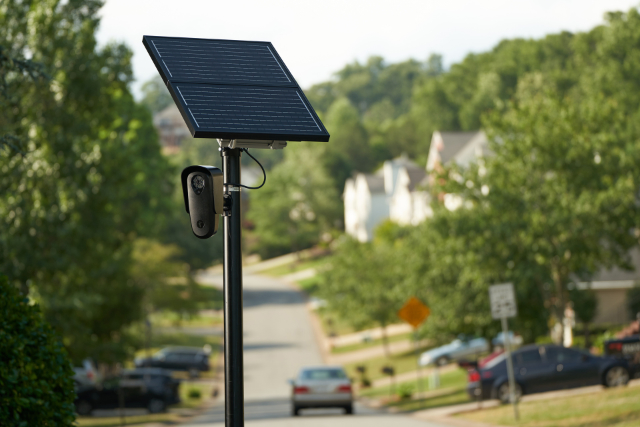
I could see a legislator trying to “fix” this by lifting that restriction, but I wonder how well that would go over in the current climate. Public opinion is strongly against computer vision systems like Flock and Axon, and it might well be political suicide to make it easier for those companies to work in the state.
Then again, the police unions are pretty strong.
I emailed the AG’s office to see if they have any comment about that statute. We’ll see.
There have been a number of social media posts by LE agencies explaining at a very general level their use of Flock cameras. From my readings, they all sound very similar, almost as if they were written by the same person. I’m not at all suggesting that Flock Safety drafted such a press release that it made available to all of its clients though. I’m sure they wouldn’t do something like that.
Lawsuit
A college student in Flint, Michigan, has sued Genessee County, where he lives, over a FOIA request for information about Flock cameras in the county. He’s specifically asked for a copy of the county’s Flock contract, a map of Flock cameras in the county, an audit trail showing who’s accessed the camera data and when, as well as any records of scans of his own vehicle.
All of that should be easily available. The map is, though this isn’t official.
And the county gave him a copy of the contract. As to the data? It’s something of a “Who’s on first” matter. The county says Flock controls the data. The contract and Flock’s website both say the county controls the data.
So why is the county being cagy about the whole thing? Who knows?
The student, with the assistance of the Mackinaw Center for Public Policy, has filed a lawsuit against the county. He’s seeking to compel the release of information he originally asked for, and statutorily permitted damages, which is basically attorney’s fees. I’ll be curious to see how the case goes.
Taking Them Down
I’ve read several articles this last week about departments letting their Flock contracts expire or outright canceling them in response to citizen complaints. I like that agencies are paying attention to what their constituents are saying.
I’m surprised that LAPD only had 138 cameras, though.
At least one person is making an active effort to make life harder on the cameras. This isn’t the first time for something like this, though. I recall reading about a clothing line devoted to breaking facial recognition systems back in 2017. This effort by Bill Swearingen is better, though, because each piece of clothing is unique, so the system can’t be trained to get around it. Do read the links in the TechCrunch piece. Some of the stories are chilling.
The Cato Institute also has some pretty gross stories.
Who’s Looking at the Cameras?
An agency can open its Flock network up to national inquiries. That means an officer in Texas could search for a plate and tap camera systems in Ohio, if those agencies opted in to the national search.
Like Toledo, where Texas searches accounted for 16% of the search activity in Lucas County.
Flock is providing “transparency portals” for agencies now, and Toledo PD and Lucas County SO have made use of them. Flock is also gearing up to force agencies to provide case numbers for each search. One wonders why that wasn’t already required.
Quis custodiet ipsos custodes?
Thanks for reading. Feel free to share a thought in the comments. Sign up for my infrequent newsletter here. Find some of my other writing at The Good Men Project, too. Subscribe to the blog via the link in the right sidebar or follow it on Mastodon. You can also add my RSS feed to your favorite reader.
Share your thoughts!